Autoimmune Disease and the Gut: What Damages It and What Helps

Summary
This guide merges my six-part series into one article. It is my personal experience and a summary of the research I read. It is not medical advice. Please read the disclaimer and talk to your doctor before you change your treatment.
In short: damage to the gut lining and an unbalanced gut microbiome may let food protein fragments reach the bloodstream. The immune system reacts to them, and this can feed inflammation in the joints and other organs. Below you will find what damages the gut, which foods I avoid, which foods help it heal, and how to use seasonings and fats.
Why do some doctors say food does not matter in autoimmune disease?
Many people with an autoimmune disease hear this: “What you eat or supplement will not make any difference at all.”
If you hear such a statement from your physician or any other “expert”, turn on your bullshit filter on and also be careful what other recommendations or solutions this person suggests. I bet his knowledge is ancient times and for a long time did not bother to read any research on the matter of autoimmune and nutrition.
What is the reason that physicians hesitate so much to consider the possible connections between autoimmune diseases and what we are eating all day long?
Maybe because in most medical schools they teach that fragments of dietary proteins are too large to leak from the intestine wall into the bloodstream and therefore are not the cause of inflammatory reactions in distant organs such as the joints, eyes even the heart. Unfortunately, the opposite is true.
As a sad result, you are given strong anti-inflammatory drugs to deal with the symptoms of the disease but not one of the potential major causes.
Such a “relief” for us will often cause severe damage to our most crucial organs like the intestine, liver, bowel or the bone marrow in the form of bone marrow depression, bowel wall injury, liver inflammation or intestinal bleeding.
Thanks for inspiration for this series to Clint Paddison, Dr. Michael Klapper and Dr. John McDougall.
What about the leaky gut?
The food choices we make can damage our gut directly with their physical or chemical properties if they are for example: acidic, greasy, digestive-intensive like meat or poor in nutrients.
Indirectly the above-mentioned kind of foods imbalance the microbiome, the most important residents in our gut, billions and billions of microorganisms that live in the mucus layer of our intestines. They form one part of our gut functional barrier.
Physicians ignoring the effect of our diet and how that relates to inflammatory rheumatoid diseases like arthritis or ankylosing spondylitis is very short-sighted and leads to symptom management rather than dealing with the cause of the disease.
Through scientific research, it is known that in most people with inflamed, leaky gut conditions, protein fragments from foods and gut organisms enter the bloodstream after most meals. Our immune system forms antibodies in response to these foreign bodies and components of milk, wheat or egg proteins for example. The antibodies are formed within a very short time (hours) after consuming these foods.
What does the research say about leaky gut and autoimmune disease?
The claims in this section are stronger than the evidence in some places. Researchers call the leaky gut idea increased intestinal permeability. A 2024 review says more gut contents entering the body “has been associated with the development, progression, and/or relapse of autoimmune diseases such as Crohn’s and rheumatoid arthritis.” The careful word there is “associated”. This is an active research area, and nobody has proven yet that a leaky gut causes autoimmune disease. For the numbers and the evidence on diet and ankylosing spondylitis, see this post.
What is most likely causing a leaky gut?
Some of the daily and popular foods like acidic sodas (phosphoric acid), antibacterial herbal teas, alcohol (beer, wine) and coffee kill our much-needed good gut workers in our microbiome.
Combined with fatty foods, especially those rich in saturated fats, the good bacterial population is reduced and high-meat diets promote bacteria that have a tolerance to bile in our gut. This promotes DNA damage and cancer growth. Also, creating an unhealthy gut environment trains our immune system in a way that it gets confused and attacks our own body.
Another problem is our modern farming practices like spraying everything with pesticides that alter the bacterial balance.
Most of the animal products contain residues of antibiotics fed/injected into the animals and kill also our beneficial gut bacteria.
Asking for and getting a prescription for antibiotics, just to be safe, which inevitably unbalances the microbiome is also not the best idea.
Some or all of the above-mentioned foods, drugs, and medications can reduce the numbers of beneficial organisms in the gut lining. Unfriendly and harmful microbes set up housekeeping in the mucus layer and injure the integrity of the intestinal wall. Our gut gets more “leaky” and lets more and more molecules through, that should never enter the bloodstream.
These foreign molecules or protein fragments in our bloodstream can deposit at our joints and cause reactions, ranging from a little uncomfortable inflammation to hot and painful swelling.
Chronic inflammation is tedious for our body and over the years can result in contracture, loss of function, tissue scarring of the joint and organ failures. Our heart, lung, eye, kidney and so on will suffer damage from repeated inflammation over the years and cause a rheumatoid lung, failing rheumatoid heart, bleeding kidneys and so on.
Stay away from standard diets that recommend or lead to eating: daily meat consumption, dairy products, processed foods, concentrated sugars, preservatives, colorings, flavorings and other chemicals because this will lead with a high probability to all kinds of health problems including chronic inflammation.
Which foods cause inflammation and should I avoid at the start?
While any protein food “parts” can leak into the bloodstream and cause inflammation in the joints, there are some foods you should definitely avoid while beginning your gut repair:
- Red meat, especially pork meat.
- Chicken protein and eggs.
- Wheat protein from wheat cereals, pizza, pasta, bread, …
- Soy products like tempeh, soy-meat, tofu and so on.
- Milk proteins from dairy products like yogurt, ice cream, cheese, chocolate, …
- All fats from animal products (highly saturated) and oils (olive oil, palm oil, etc.), except omega-3 from plant sources like algae.
- Sometimes also nightshade vegetables like potatoes (sweet potato is not a nightshade and causes no inflammation), tomatoes, eggplants, peppers, …
After a few months of gut healing, the nightshade vegetables can be introduced one sort at a time.
Which foods help heal the gut?
It’s important to heal our gut as fast as possible and the solution to that is to reduce gut damaging medication and consume foods that are easy on the digestion and promote gut health. Some of these foods are:
- Cabbage and cabbage juice
- Pseudo grains like amaranth, quinoa, buckwheat
- Sweet potato, carrots, onion, garlic, ginger
- Seaweeds
- Celery sticks, cucumber, and juices of them
- All leafy greens like kale, lettuce, rocket, Swiss chard and so on
After your gut starts to heal you can introduce more foods like basmati rice, pumpkin, millet, cauliflower, zucchini, cantaloupe, okra and so on. And a lot more foods based on your gut health level and elimination diet progress.
Also be careful with seasoning your food, keep it to a minimum, as some spices like cayenne can promote inflammatory reactions.
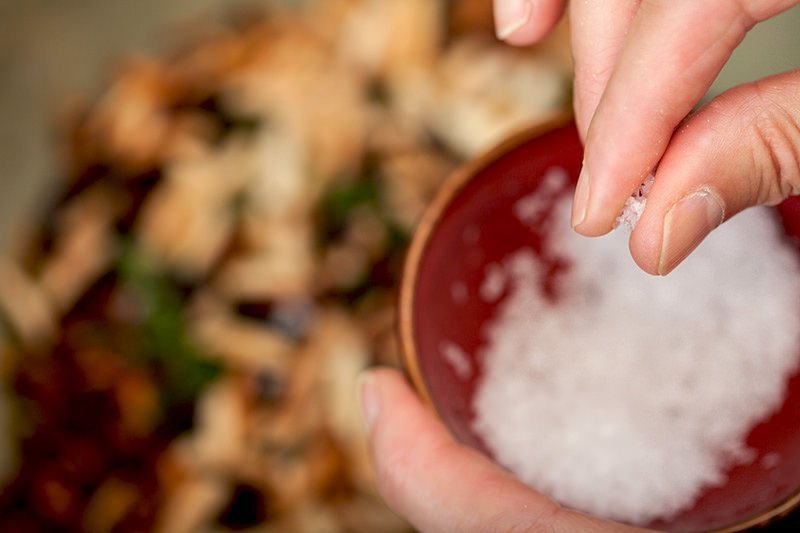
A pinch of salt, really not a spoon full, a few crumbles to your vegetables is fine and will help you to make delicious meals with the baseline foods mentioned above. A word of caution: high-salt diets can turn on genes that promote autoimmune processes in our body.
When can I add seasonings and good fats?
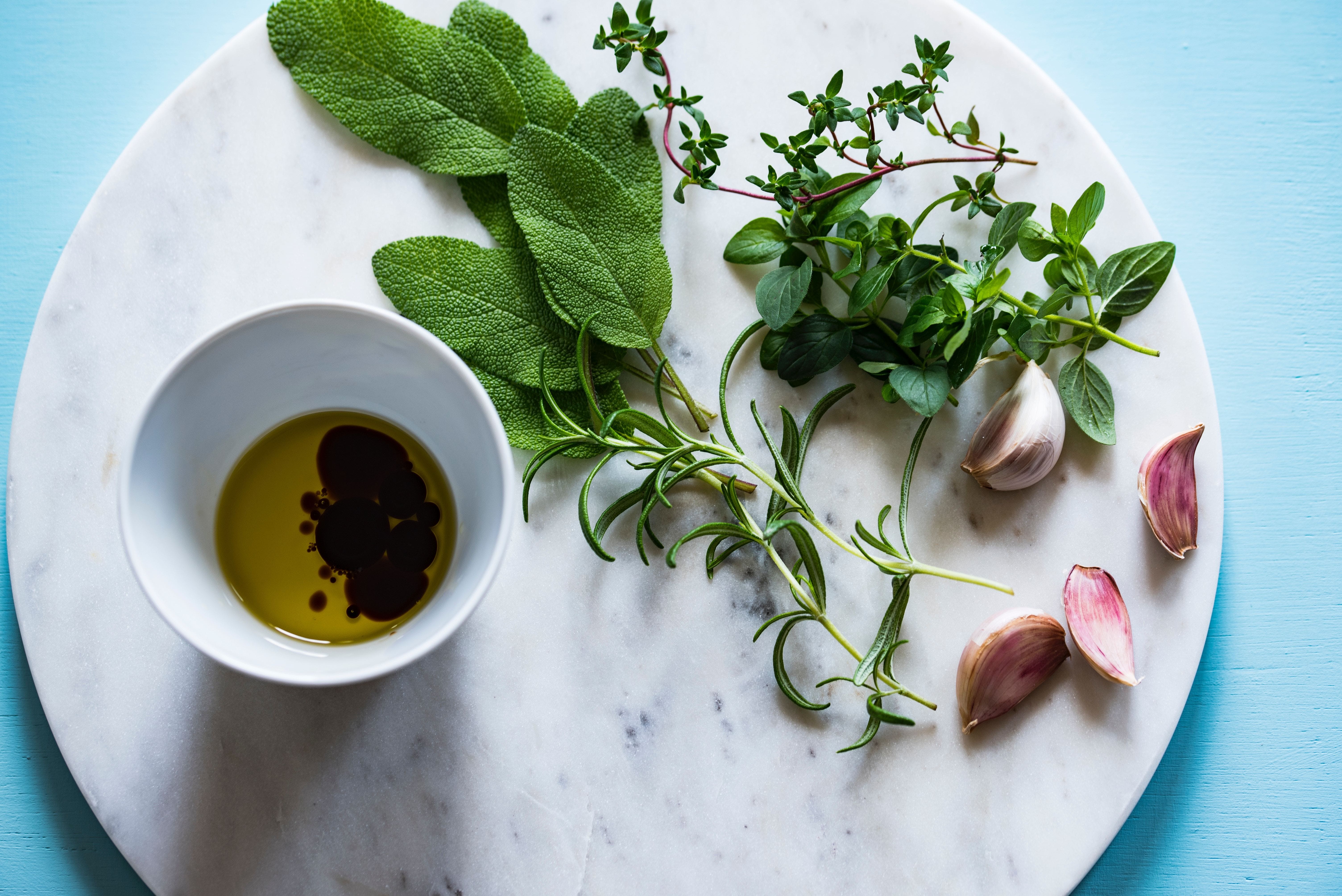
After you follow a strict diet and eat the foods above for a few months, the inflammation in your body should have improved and seasonings can be introduced gradually, one at a time. And by now you should be enjoying the natural taste of vegetables, fresh fruits, and other whole foods. This is also a huge bonus of the elimination diet: it increases taste bud sensitivity and decreases the amount of not so healthy seasonings like salt.
What are beneficial fats and what is their role in our diet?
Omega-3 fatty acids are anti-inflammatory for inflammation-based autoimmune diseases.
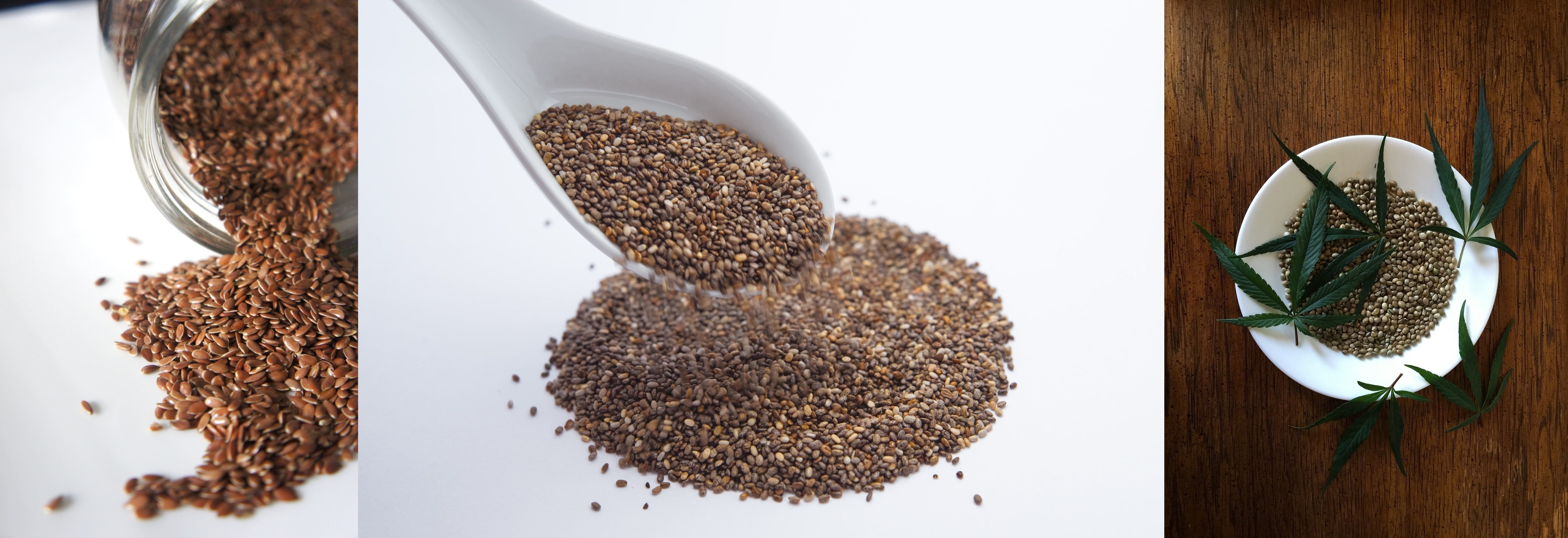
These fats are found for example in chia, hemp, and flax seeds and dark leafy greens.

Dark leafy greens should be consumed daily and one to two tablespoons of seeds can be introduced in the later phases of the diet.
A small handful of walnuts, either as whole nuts or mixed as dressings and sauces can also be used as a source of omega-3. Also, DHA/EPA supplements derived from algae, not fish oil that’s probably contaminated with heavy metals like mercury, are a good source at the beginning of our elimination diet when seeds and nuts are most problematic for our gut.
Black currant seed oil contains gamma linolenic acid (GLA, an omega-6 fatty acid) and alpha linolenic acid (ALA, an omega-3). From GLA the body makes a natural anti-inflammatory substance called prostaglandin E-1. This substance complements the omega-3 and can be very beneficial for our inflammatory autoimmune disease. GLA and ALA can be taken as pills or as black currant seed oil.
(Updated: )